
PUGLIA: VALLE D’ITRIA
- Locorotondo
- Alberobello
- Cisternino
- Ostuni

For American retirees · Italian 7% flat-tax scheme
Move to a small eligible town in southern Italy and pay a flat 7% Italian tax on your foreign income for up to ten years. We pinpoint the towns that qualify, curate the homes worth seeing, and handle the buyer’s side of the deal start to finish.
How the regime works
01
A foreign retiree receiving a pension who has not been an Italian tax resident in the previous 5 years. You become an Italian tax resident and move from a country (the US qualifies) with an active information-exchange treaty with Italy.
02
A small eligible town in one of eight southern regions: Puglia, Campania, Sardegna, Sicilia, Abruzzo, Basilicata, Calabria, or Molise. The eligible population threshold is being raised, and we confirm a given comune before you commit.
03
A flat 7% Italian substitute tax on all foreign-source income (pension, rental, dividends, capital gains) for the year of transfer plus the 9 following tax years. This caps the Italian side. As a US citizen you continue to file and may owe US tax on the same income.
Legal source: D.L. 119/2018, Art. 24-ter TUIR. We are not your tax advisor. We work alongside an Italian commercialista and coordinate with your US cross-border advisor. Eligibility and your US-side position should always be confirmed in writing.
Tools
Collections
Six collections of highlighted towns across southern Italy, each in a comune that qualifies under Art. 24-ter. Town-by-town deep-dives roll out from here.

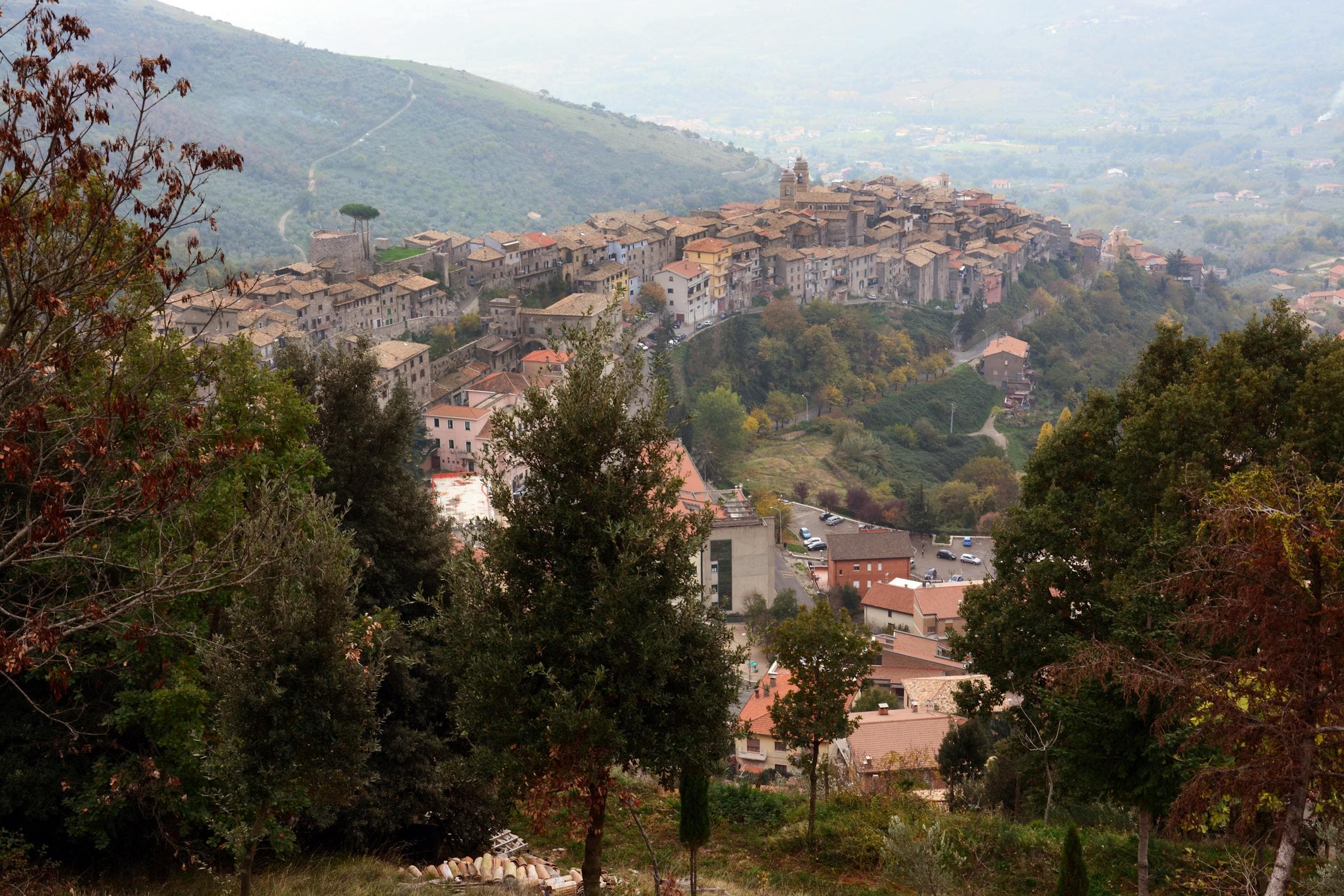


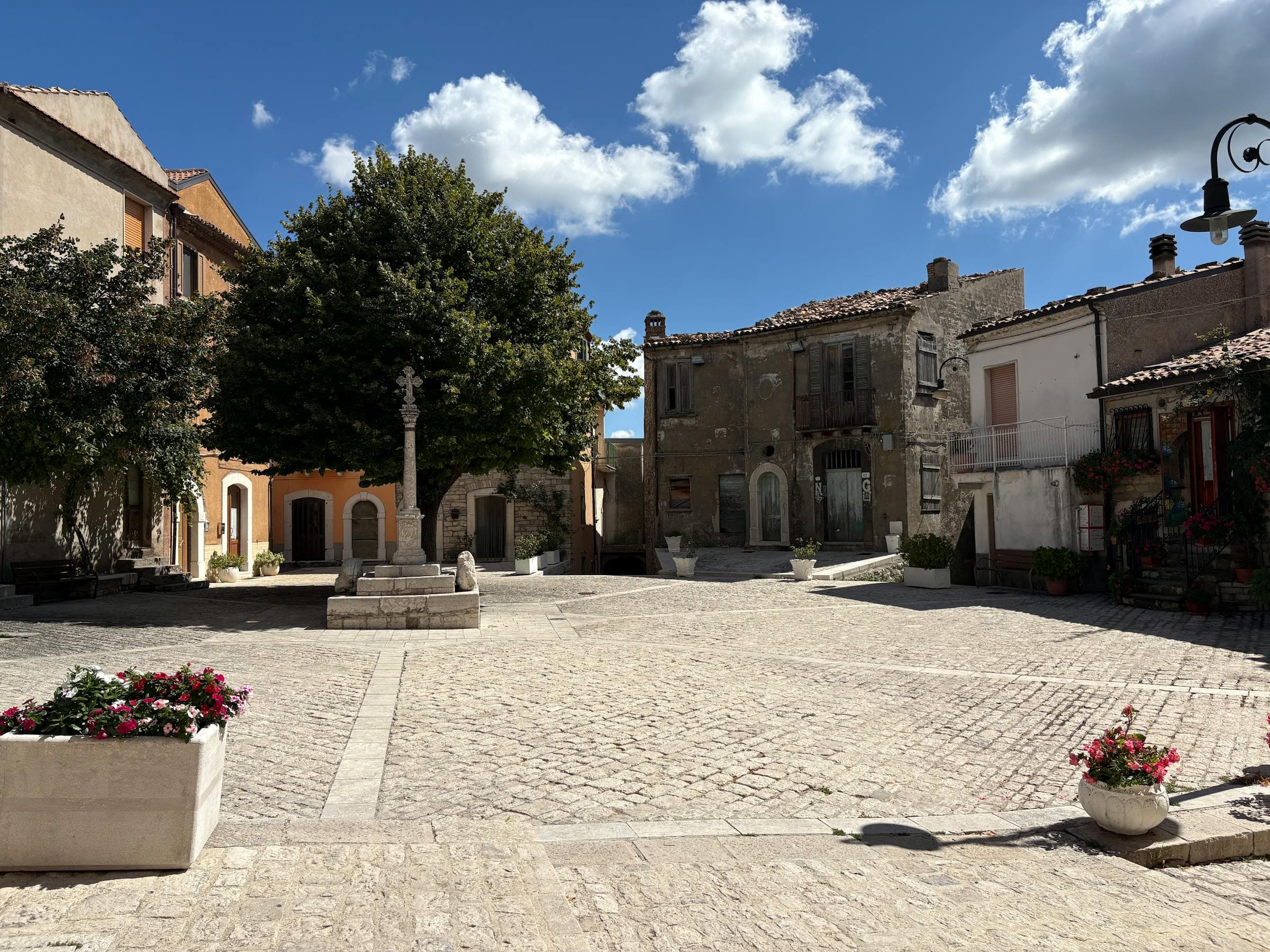
Where the regime applies
Frequently asked
Yes. The United States taxes its citizens on worldwide income no matter where they live, and the US-Italy treaty preserves that right through its saving clause. The Italian 7% regime caps the Italian side of your foreign income; it does not remove US tax. In practice a US foreign tax credit usually offsets some or all of the US liability for the Italian tax you pay, but residual US tax can remain. Confirm your specific position with a US cross-border advisor (a CPA or enrolled agent familiar with the US-Italy treaty) and an Italian commercialista.
Under the treaty, 401(k) and Traditional IRA distributions are taxable in your country of residence (Italy), and under the 7% regime the Italian side is a flat 7%. Because of the saving clause, the US can still tax those distributions too, with a foreign tax credit relieving double tax. US Social Security is treated as residence-state income under the treaty, but the US can still tax it unless you are also an Italian national, so do not assume it is taxed only in Italy. A US government or civil-service pension is generally taxable only in the US. These are general points, not advice for your situation.
Not reliably. A qualified Roth distribution is tax-free under US law, but Italy does not clearly recognize that tax-free character, and there is no settled Italian ruling on point. A Roth distribution is most likely swept into the 7% flat tax as foreign-source income while the regime applies, and there is a risk Italy taxes it more heavily outside the regime. Do not plan on a Roth being tax-free in Italy. Get a written opinion from a cross-border advisor before relying on it.
You qualify if you receive a foreign pension, have not been an Italian tax resident in the previous five years, and move to a small eligible town in one of eight southern regions. Francesco Fontana is an independent buyer-side broker: he screens eligibility against Art. 24-ter, helps you pick a town, builds a curated property shortlist, and supports you through the Italian closing alongside an Italian commercialista and notaio. He is not a tax advisor and works alongside one.